
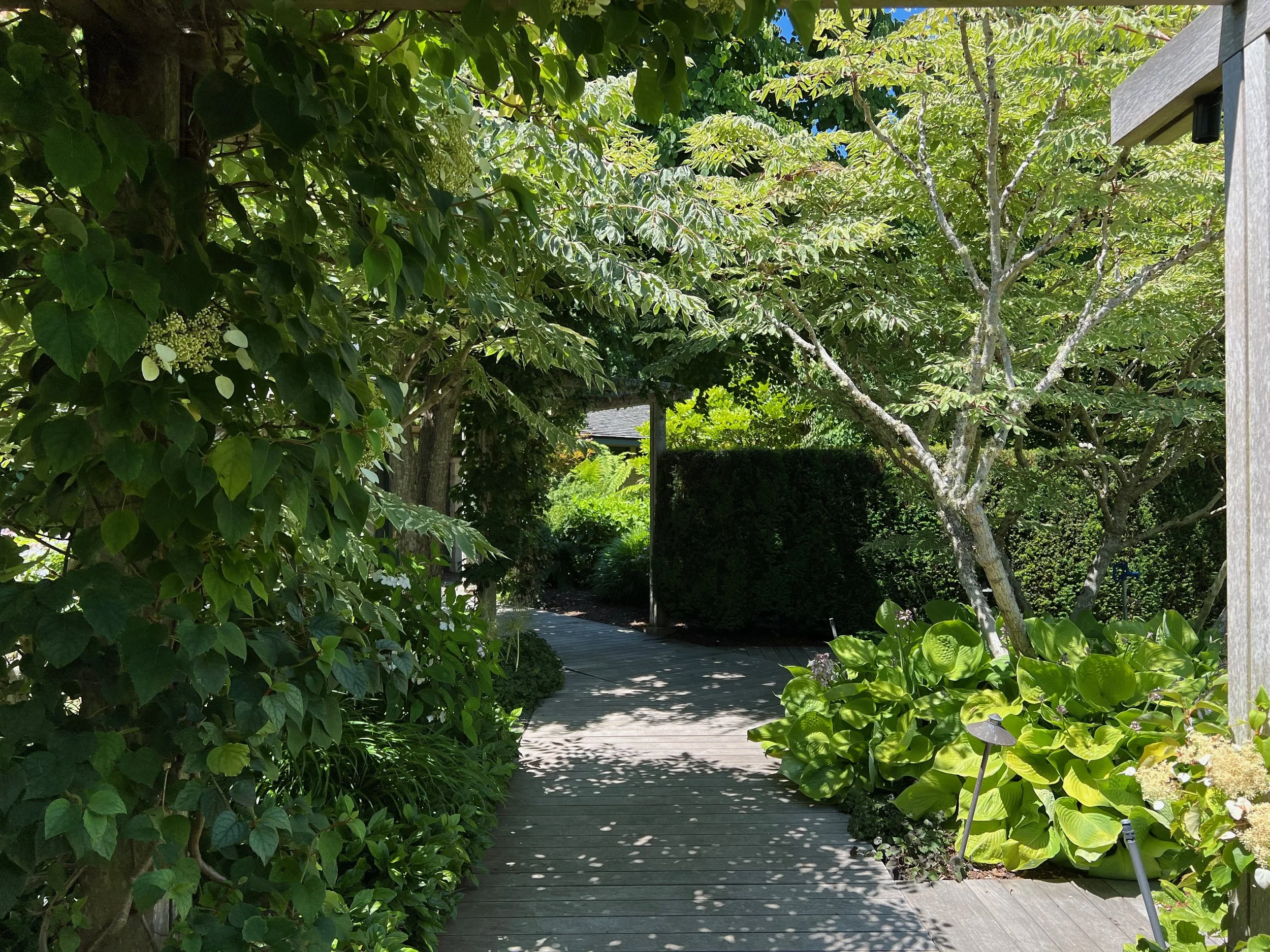
Fine Pruning
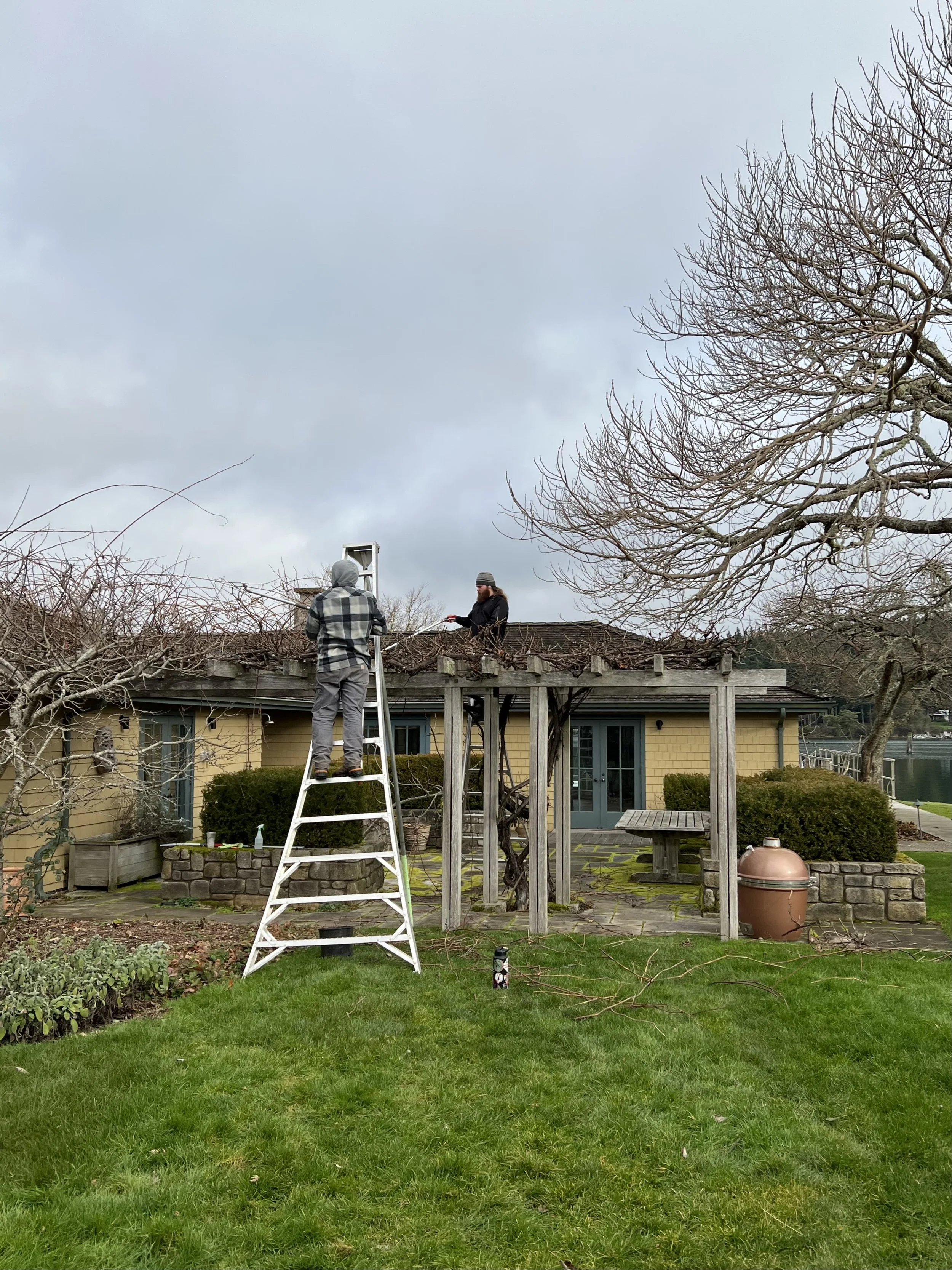
Pruning Availability
Why Choose Pruning?
Pruning, the selective removal of plant parts like branches and buds, offers a multitude of benefits:
Promotes plant health by eliminating dead or diseased wood and encourages air circulation within the plant's structure.
Allows for size control, making it easier to manage trees around utility lines and buildings.
Enhances ornamental features, shapes plants as desired, and strengthens tree stability and longevity.
Creates habitats for wildlife and stimulates growth by allowing more light to enter the plant's canopy.
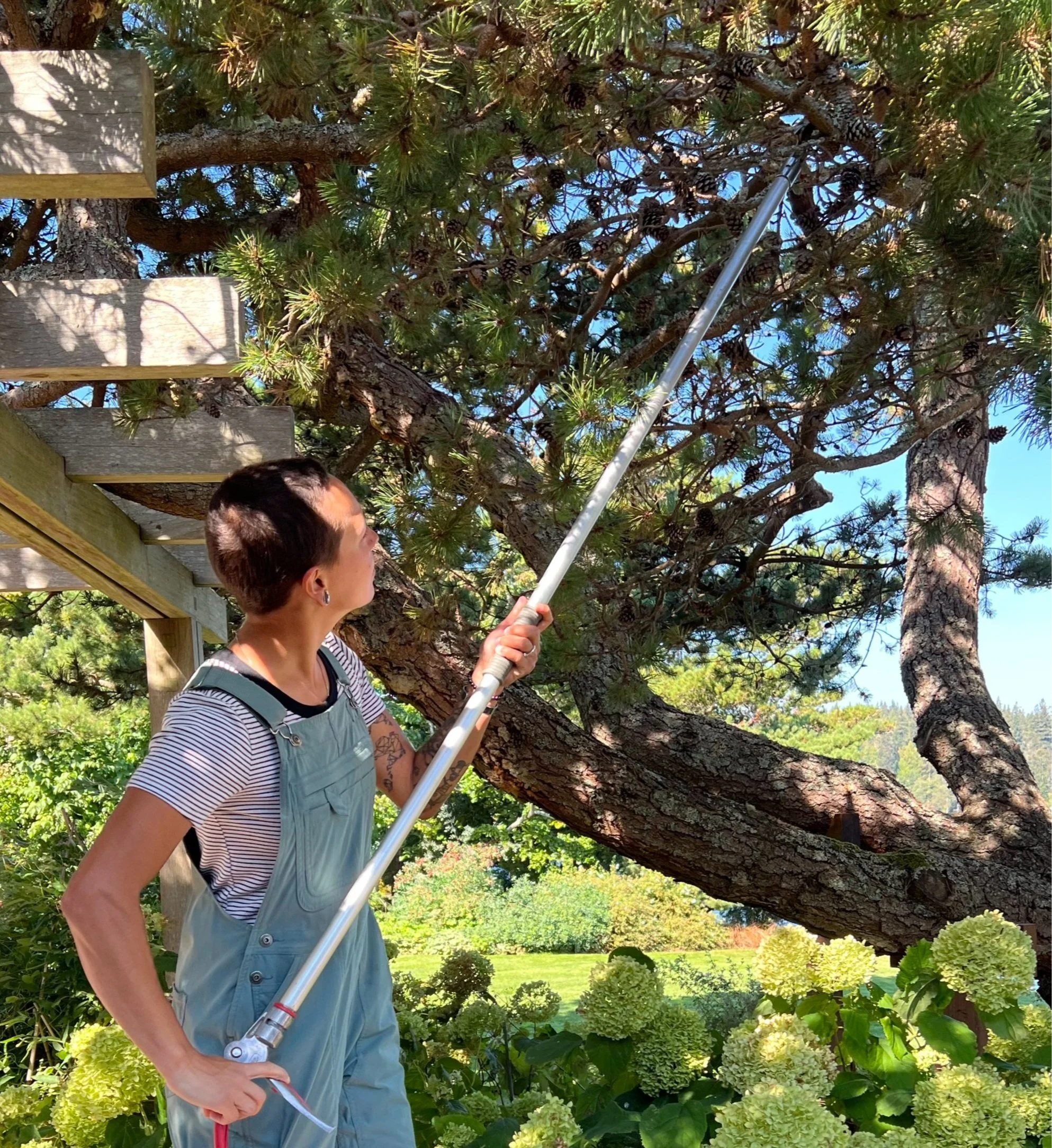
We can perform dormant pruning in late winter, corrective pruning in May and June (with advanced notice), and summer pruning in July and August. Our team has trained extensively and completed courses with renowned experts such as Bess Bronstein and John Martin. Plant health is our priority, and we’d love to care for yours!
***Please be aware that our craftsmen are typically booked out for six weeks or more from May to November, so make sure to book well in advance to secure their services.
Thank you!
Fine Pruning
Fine pruning is a specialized technique applied to ornamental trees, designed to enhance their natural and balanced shape. This method involves making precise, smaller cuts using hand pruners, carefully executed over time to ensure the health and aesthetics of the tree.
During fine pruning, our skilled gardeners focus on removing smaller branches rather than larger ones, preserving the tree's structure and promoting vigorous growth. This technique is particularly effective for trees like Japanese Maples, dogwoods, magnolias, stewartias, smaller fruit trees, and select evergreens.
Maintaining a regular fine pruning schedule is essential for ornamental trees, allowing them to thrive and showcase their beauty in your landscape over time. Our experienced team ensures that each tree receives the meticulous care it needs to flourish.
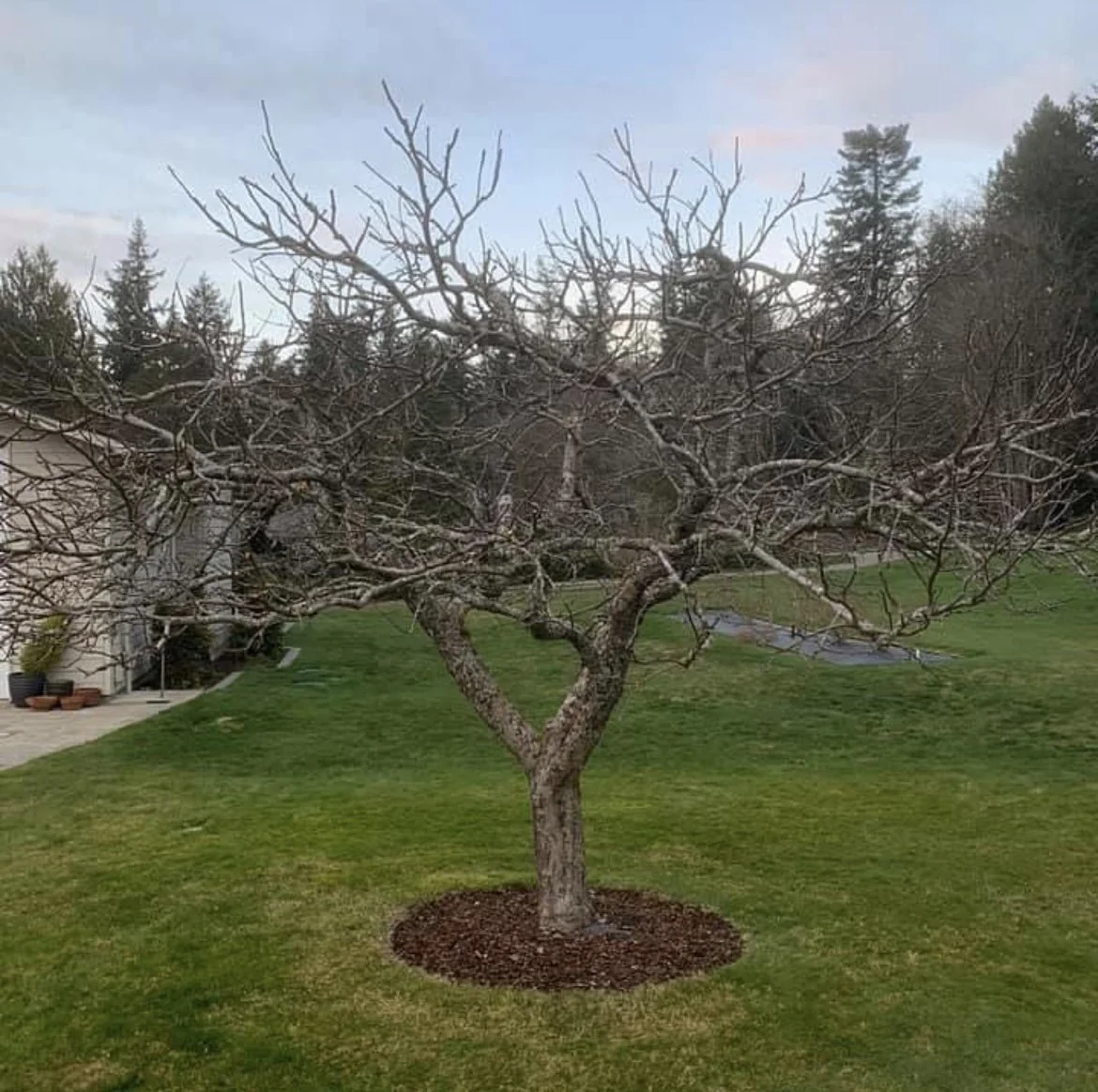
Fruit Trees
Enhance fruit quality and production by removing excess buds, controlling wood age, and promoting sunlight exposure for optimal color. Example fruit trees: Apple, Pear, Apricot
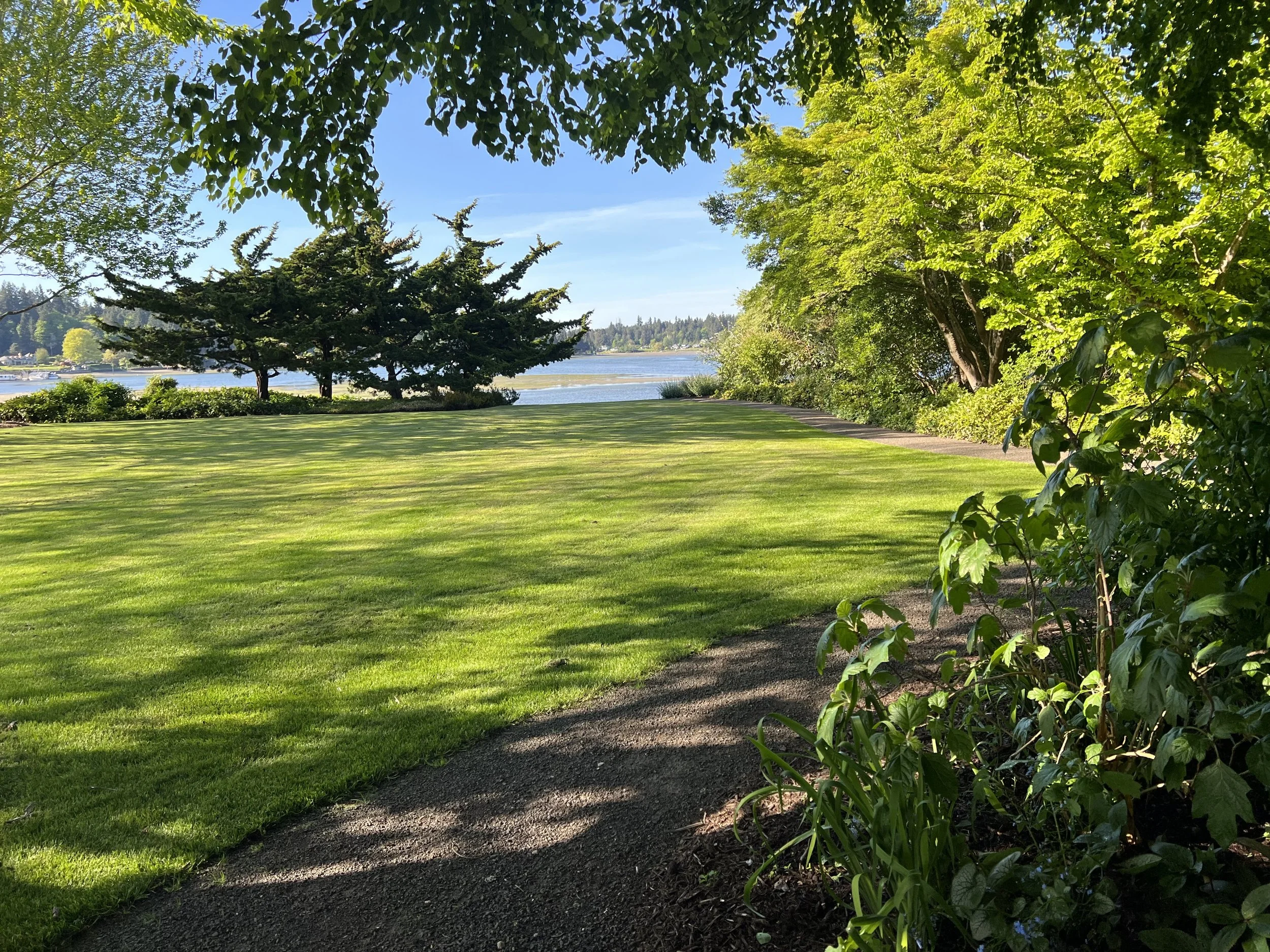
Conifers and Maples
Prevent disease spread by removing infected branches, reduce fire risk, improve tree health/structure and enhance overall aesthetics. Example conifers and maples: Douglas Fir, Bigleaf Maple, Western Hemlock
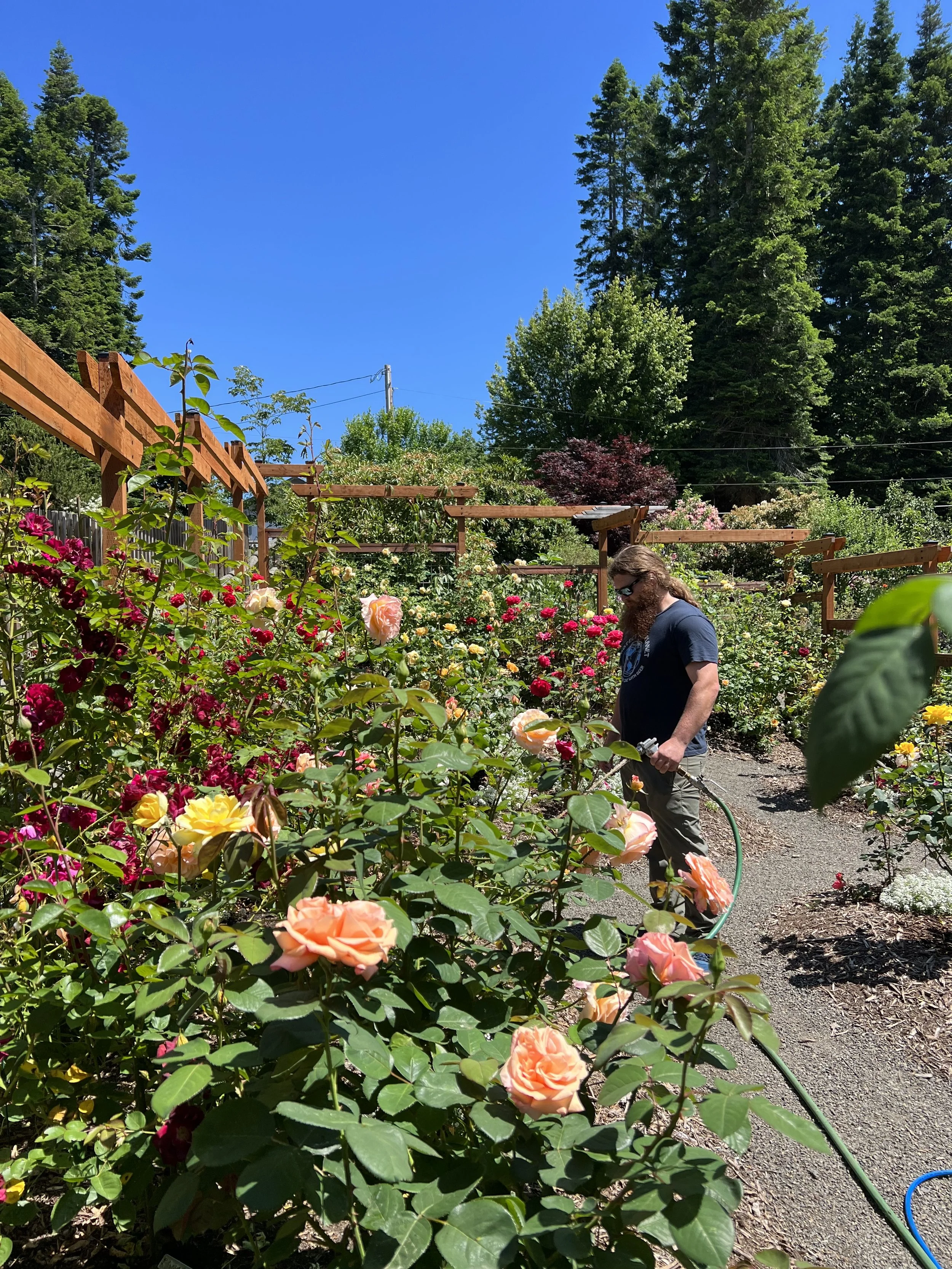
Roses
Improve health by removing dead/diseased parts, enhance appearance by preserving natural shape, ensure safety by eliminating hazards, and promote growth/fuller foliage. Example shrubs: Roses, Hydrangeas, Salal
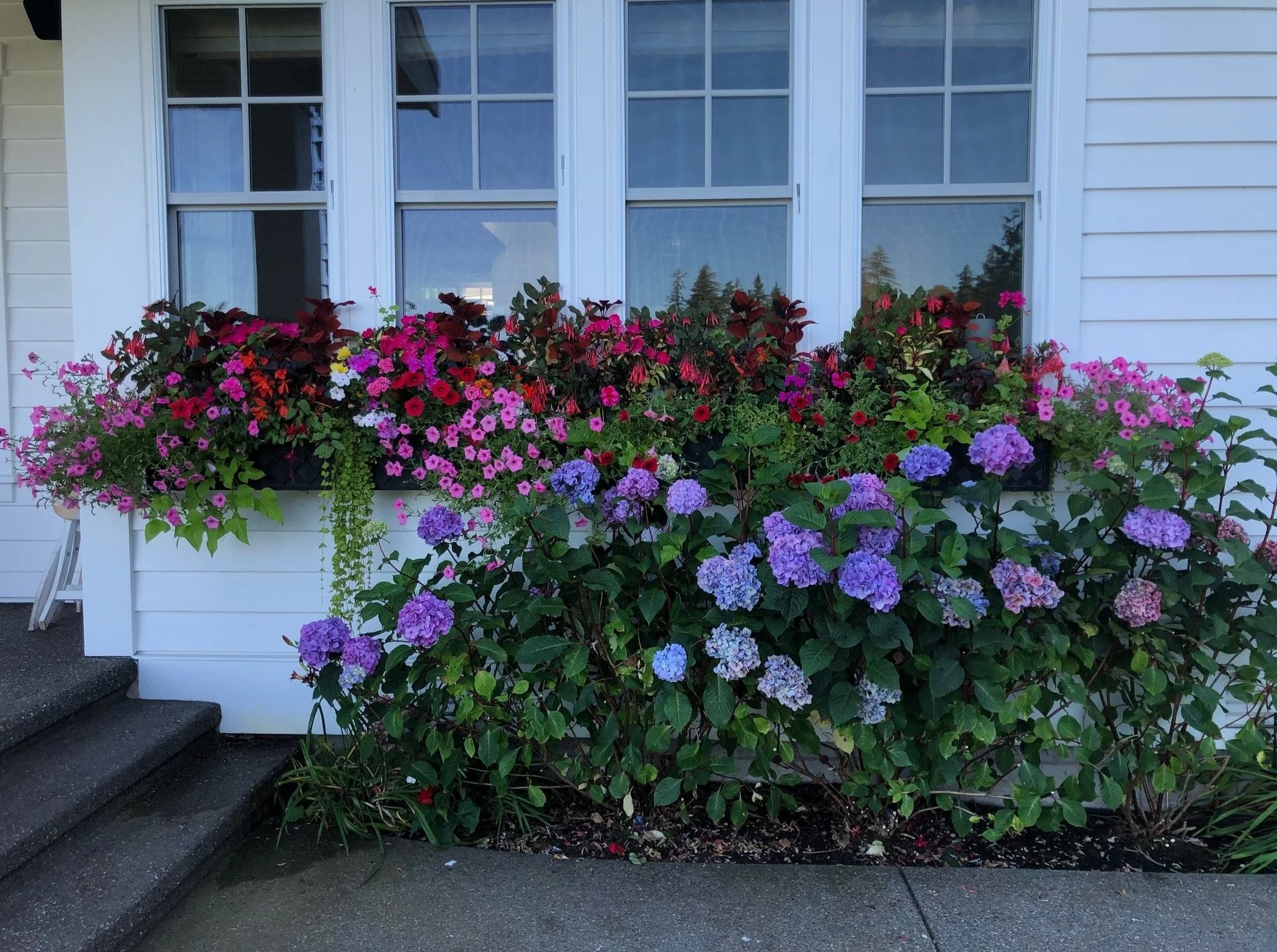
Shrubs
Improve health by removing dead/diseased parts, enhance appearance by preserving natural shape, ensure safety by eliminating hazards, and promote growth/fuller foliage. Example shrubs: Roses, Hydrangeas, Salal